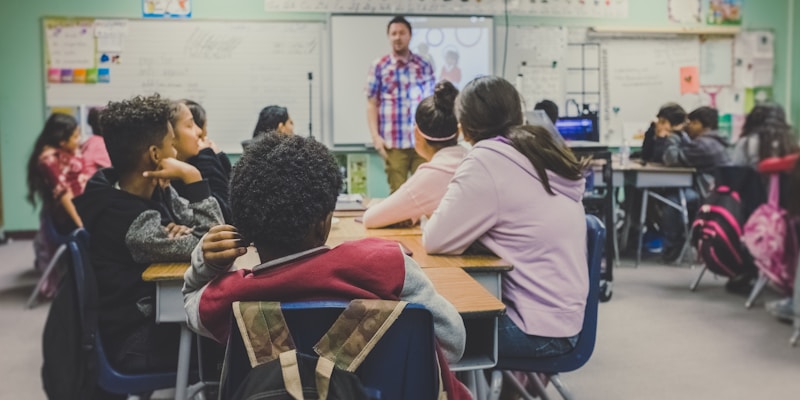
같은 교실에 앉아 있지만, 영어 실력도 학습 스타일도 제각각인 아이들. 한 명이 발표를 독점하고 나머지는 조용히 앉아 있는 모둠 활동을 보면서 "이게 정말 협력 학습인가"라고 자문한 적이 있는 교사라면 이 연구에 주목할 만하다.
인도네시아 마카사르 소재 SMP Negeri 23 중학교의 R. Sulaiman 등 연구진은 *Jurnal Onoma Pendidikan Bahasa dan Sastra*에 발표한 실행연구에서 수업연구기반 수준별 수업이 영어 수업의 비판적 사고력과 협력 기술에 미치는 효과를 검증했다. 2025~2026학년도 8학년 37명이 참여했으며, 단순과거시제, 리카운트 텍스트,능력 표현 모달 등을 학습 내용으로 다루었다.
연구는 수업연구의 계획-실행-관찰 사이클을 두 차례 반복하는 방식으로 진행되었다. 핵심은 학생들의 준비도, 흥미,학습 스타일에 따라 수업을 차별화한 것이다.
비판적 사고력의 변화는 극적이었다. 4점 척도 기준 평균 점수가 수업 전 2.3점에서 1차 사이클 후 2.8점,2차 사이클 후 3.3점으로 꾸준히 상승했다. 기준 점수 충족 학생 비율은 13.5%에서 54.1%, 다시 81.1%로 도약했다.
협력 기술도 뚜렷하게 향상되었다. 평균 점수가 2.5점에서 3.0점,3.4점으로 올랐고, 대부분의 학생이 "보통" 범주에서 "양호~매우 양호" 범주로 이동했다. 질적 관찰에서는 한 명이 독점하던 모둠 활동이 역할 분담, 근거 있는 주장, 성찰적 토론으로 바뀌는 모습이 포착되었다.
이 연구는 단일 학급 대상 실행연구라는 설계상 한계가 있으나,수업연구와 수준별 수업이라는 두 가지 검증된 접근법의 결합이 인도네시아 메르데카 교육과정의 21세기 역량 목표와도 부합하며 실질적 효과를 낸다는 점을 보여준다.
영어 수업에서 학생 참여의 질을 높이고 싶은 교사라면, 학생의 준비도와 학습 스타일에 따라 과제와 자료를 차별화하고, 동료 교사와 함께 수업연구 사이클을 운영해 수업을 체계적으로 개선해 나가는 전략을 시도해볼 수 있다.
📖 *Differentiated Instruction Based on Lesson Study to Improve Critical Thinking and Collaborative Skills in EFL Class* |
논문 원문
※ 이 기사는 교육 연구 논문을 바탕으로 작성되었습니다. 교육 현장의 맥락에 따라 결과가 다를 수 있습니다.
They sit in the same classroom, but their English levels, interests, and learning styles could hardly be more different. If you have ever watched one student dominate a group task while the rest sit in silence and wondered whether that really counts as collaboration, this study speaks directly to you.
Researchers R. Sulaiman, Umar Mansyur, Hilal Surahmatullah, and Elena Tikhonova conducted a classroom action study at SMP Negeri 23 Makassar, Indonesia, published in *Jurnal Onoma Pendidikan Bahasa dan Sastra*. They combined Lesson Study — a structured cycle of collaborative lesson planning, observation, and reflection — with differentiated instruction to see whether the pairing could lift both critical thinking and collaboration skills in an eighth-grade English as a Foreign Language (EFL) class. The study involved 37 students during the 2025-2026 school year, covering simple past tense, recount texts, and modals of ability.
Instruction was tailored to students' readiness, interests, and learning styles (visual, auditory, kinesthetic) across two full Lesson Study cycles (Plan-Do-See, then Re-Plan-Do-See).
The critical thinking gains were dramatic. On a 1-to-4 scale, the class average climbed from 2.3 (Sufficient) before the intervention to 2.8 (Good) after Cycle I and 3.3 (Very Good) after Cycle II. The share of students meeting the mastery benchmark (score of 3.0 or higher) jumped from just 13.5% to 54.1% and then to 81.1%.
Collaboration skills followed a parallel trajectory: average scores rose from 2.5 to 3.0 to 3.4, with most students shifting from the Sufficient category into Good or Very Good. Qualitative observations captured the transformation vividly — group work moved from one-student dominance and brief, unsupported answers to shared participation, clear role distribution, reasoned arguments, and reflective discussions.
As a single-class action research project, the study's generalizability is limited. Yet it demonstrates that pairing two well-established pedagogical strategies — differentiated instruction and Lesson Study — produces measurable gains aligned with Indonesia's Kurikulum Merdeka and broader 21st-century skills goals.
EFL teachers looking to deepen student engagement can start by differentiating tasks and materials based on readiness and learning style, then refine their approach through collaborative Lesson Study cycles with colleagues — a structured, evidence-driven path to better critical thinking and teamwork in the classroom.
📖 *Differentiated Instruction Based on Lesson Study to Improve Critical Thinking and Collaborative Skills in EFL Class* |
Full Paper
※ This article is based on an academic research paper. Results may vary depending on the educational context.