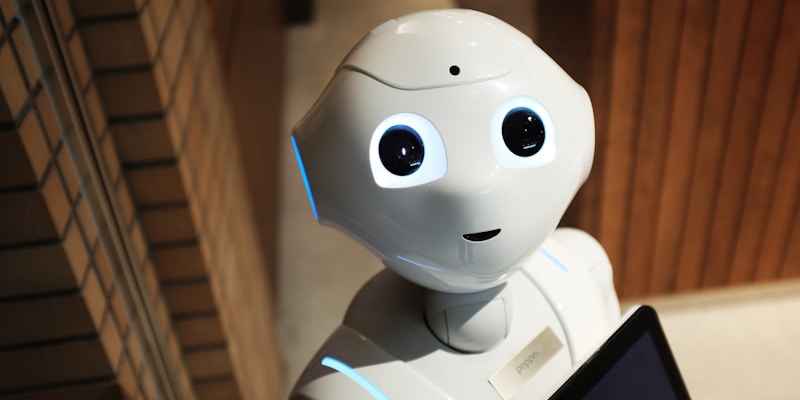
영어를 제2언어로 배우는 대학생에게 작문은 가장 높은 벽 중 하나다. 문법, 어휘, 문장 구조, 논리 전개까지 한꺼번에 신경 써야 하기 때문이다. 이 벽을 ChatGPT가 낮춰줄 수 있을까?
이번 연구는 고등교육 ESL 환경에서 ChatGPT를 작문 수업에 통합한 효과를 작문 품질, 수업 참여도, 전반적 학습 성과 세 가지 차원에서 분석했다.
결과는 세 가지 차원 모두에서 긍정적이었다. 먼저 작문 품질이 향상됐다. 학생들은 ChatGPT에게 "이 문장 문법 확인해줘", "이 단락 더 자연스럽게 바꿔줘"라고 요청하며 반복적으로 수정했다. 원어민 튜터가 옆에 있는 것과 비슷한 효과가 나타난 것이다. 특히 문법 교정, 문장 구조 개선, 아이디어 브레인스토밍에서 도움이 컸다.
수업 참여도도 올랐다. 작문에 자신 없던 학생들이 ChatGPT의 도움으로 초안을 빠르게 만들 수 있게 되면서, 과제 제출률이 높아지고 수업 토론에도 더 적극적으로 참여했다. 심리적 장벽이 낮아진 것이다.
전반적 학습 성과 역시 개선됐다. 다만 연구진은 중요한 조건을 제시했다. ChatGPT가 최종 답을 써주는 것이 아니라, 학생이 초안을 쓰고 ChatGPT가 피드백을 주는 구조로 수업을 설계했을 때 가장 효과적이었다. "AI가 써주는 글"이 아니라 "AI와 함께 고치는 글"이 핵심인 셈이다.
ESL 작문 교육에서 ChatGPT의 최적 활용법은 분명하다. "개인 튜터"처럼 활용하되, 최종 수정과 비판적 검토는 반드시 학생이 직접 하도록 해야 한다.
📖 *ChatGPT in ESL higher education writing* |
원문For ESL university students, writing is the highest wall — grammar, vocabulary, sentence structure, and logical flow all at once. Can ChatGPT lower that wall?
This study analyzed ChatGPT integration in ESL writing classes across three dimensions: writing quality, class engagement, and overall learning outcomes.
All three improved. Writing quality got better as students iteratively asked ChatGPT to "check this grammar" and "make this paragraph more natural" — similar to having a native tutor. Grammar correction, sentence restructuring, and brainstorming were the strongest use cases.
Engagement also rose. Students who lacked writing confidence could quickly produce drafts with ChatGPT's help, leading to higher submission rates and more active class discussions. The psychological barrier was lowered.
Overall learning outcomes improved too — but with an important condition. The most effective design had students write first, then ChatGPT provide feedback, not the reverse. The key is "writing revised with AI," not "writing generated by AI."
The optimal approach for ESL writing: use ChatGPT as a "personal tutor" while ensuring students do the final revision and critical review themselves.
📖 *ChatGPT in ESL writing (18 citations)* |
Paper