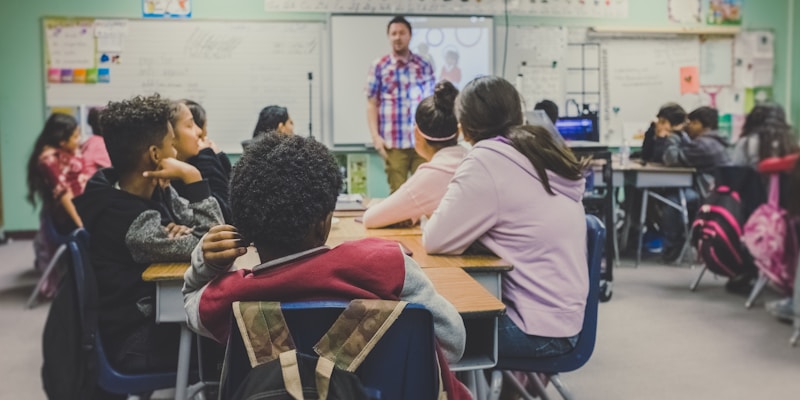
초등학교 저학년 아이들에게 확률과 통계를 가르치는 일은 쉽지 않다. 숫자 감각이 아직 자리 잡지 않은 아이들에게 데이터를 분류하고 가능성을 따져보라고 하면, 교사도 학생도 막막해지기 일쑤다. 만약 아이들이 직접 손으로 만지고 움직이며 배울 수 있다면 어떨까.
필리핀 보니파시오 중앙초등학교의 Irish Longakit 교사는 *International Journal of Humanities and Social Sciences*에 발표한 연구에서 CACE(Contextualized Active and Collaborative Engagement) 교구의 효과를 검증했다. 2025~2026학년도 2학년 학습자를 대상으로, 3분기 수학에서 가장 성취도가 낮았던 데이터와 확률 영역에 이 교구를 적용했다. 연구는 ADDIE 모델에 기반한 기술적·개발적 연구 설계로 진행되었다.
CACE 교구는 4명의 수석교사와 1명의 교장이 필리핀 교육부의 학습자료관리개발체계 평가 기준에 따라 검증했으며, 내용 정확성, 교수 설계, 기술적 품질 모든 영역에서 "매우 만족" 등급을 받았다. 오류도 발견되지 않았다.
핵심 결과는 놀라웠다. 사전검사에서 학습자들은 매우 낮은 숙달 수준에 머물러 있었으나, CACE 교구를 활용한 수업 후 실시한 사후검사에서는 대부분이 우수 수준에 도달했다. 대응표본 t검정 결과 사전-사후 점수 차이는 통계적으로 유의미했으며, 교구 활용이 실질적인 학습 향상을 이끌었음을 확인했다.
수치적 성과 못지않게 질적 변화도 주목할 만했다. 수업 관찰 결과, 학습자들의 흥미, 참여도, 협력, 자신감이 모두 눈에 띄게 증가한 것으로 나타났다. 아이들이 교구를 직접 조작하며 또래와 함께 문제를 해결하는 과정에서 수학에 대한 심리적 장벽이 낮아진 것이다.
이 연구는 단일 학교, 단일 학년을 대상으로 한 만큼 일반화에 한계가 있다. 그러나 저학년 학습자에게 맥락화된 구체적 교구가 추상적 수학 개념을 이해하는 데 강력한 도움이 된다는 점을 실증적으로 보여준다.
저학년을 가르치는 교사라면 어려운 단원을 가르칠 때 아이들의 일상 맥락과 연결된 조작 교구를 개발해 활용하는 것을 고려해볼 만하다. 특히 학습 성취가 낮은 영역일수록 추상적 설명보다 손으로 만지고 협력하며 배우는 경험이 더 큰 효과를 발휘할 수 있다.
📖 *The efficacy of Contextualized Active and Collaborative Engagement Manipulatives in learning data and probability for Grade 2 Mathematics* |
논문 원문
※ 이 기사는 교육 연구 논문을 바탕으로 작성되었습니다. 교육 현장의 맥락에 따라 결과가 다를 수 있습니다.
Teaching data and probability to seven-year-olds is no small feat. When children are still solidifying their basic number sense, asking them to sort data and reason about likelihood can feel like an uphill battle for teachers and students alike. But what if the lesson came with something they could touch, move, and explore together?
A study published in the *International Journal of Humanities and Social Sciences* put that idea to the test. Teacher-researcher Irish Longakit developed CACE (Contextualized Active and Collaborative Engagement) manipulatives — hands-on learning tools rooted in students' everyday contexts — and deployed them with Grade 2 learners at Bonifacio Central Elementary School in the Philippines during the 2025-2026 school year. The target: data and probability, identified through diagnostic testing as the quarter's least mastered competency. The research followed a descriptive-developmental design guided by the ADDIE model.
Before classroom use, four master teachers and one principal evaluated the manipulatives using the Philippine Department of Education's LRMDS (Learning Resources Management and Development System) rating criteria. The verdict: "very satisfactory" across content accuracy, instructional design, and technical quality, with zero errors identified.
The learning gains were striking. On the pretest, students scored at a very low proficiency level. After working with the CACE manipulatives, most learners reached highly proficient status on the posttest. A paired-samples t-test confirmed the difference was statistically significant, leaving little doubt that the intervention drove real improvement.
Beyond the numbers, classroom observations revealed powerful qualitative shifts. Student interest, participation, collaboration, and confidence all increased visibly during lessons. Children who had been disengaged were now actively manipulating materials and solving problems with their peers, lowering the psychological barrier that math often creates for young learners.
The study is limited to a single school and grade level, so broad generalization requires caution. Still, it offers compelling evidence that contextualized, tactile tools can unlock abstract mathematical concepts for early learners.
Teachers working with young students should consider developing manipulatives tied to children's real-life contexts, especially for competencies where achievement is lowest. When abstract explanation falls short, hands-on, collaborative learning may be exactly what closes the gap.
📖 *The efficacy of Contextualized Active and Collaborative Engagement (CACE) Manipulatives in learning data and probability for Grade 2 Mathematics* |
Full Paper
※ This article is based on an academic research paper. Results may vary depending on the educational context.